
Designed for the Way You Really Live
What becomes possible when a home is designed as a whole.
By Natalie Biles, ASID · Co-Owner, Shine Interior Design Studio
There are text messages I never get tired of seeing.
"I just hosted a birthday party and we had space for EVERYONE."
"I wasn't embarrassed to have my friends over for dinner."
"Everyone keeps saying my house just FEELS so peaceful and pulled together."
They almost never come during the reveal, when everything is freshly styled and the light is perfect. They come weeks or months later, when the house has settled into the family living in it. When a Saturday goes the way they always hoped a Saturday in their home would go. When a friend walks in and says something they've been quietly waiting years to hear someone say.
That is what a home designed this way can do. And it cannot happen by accident.
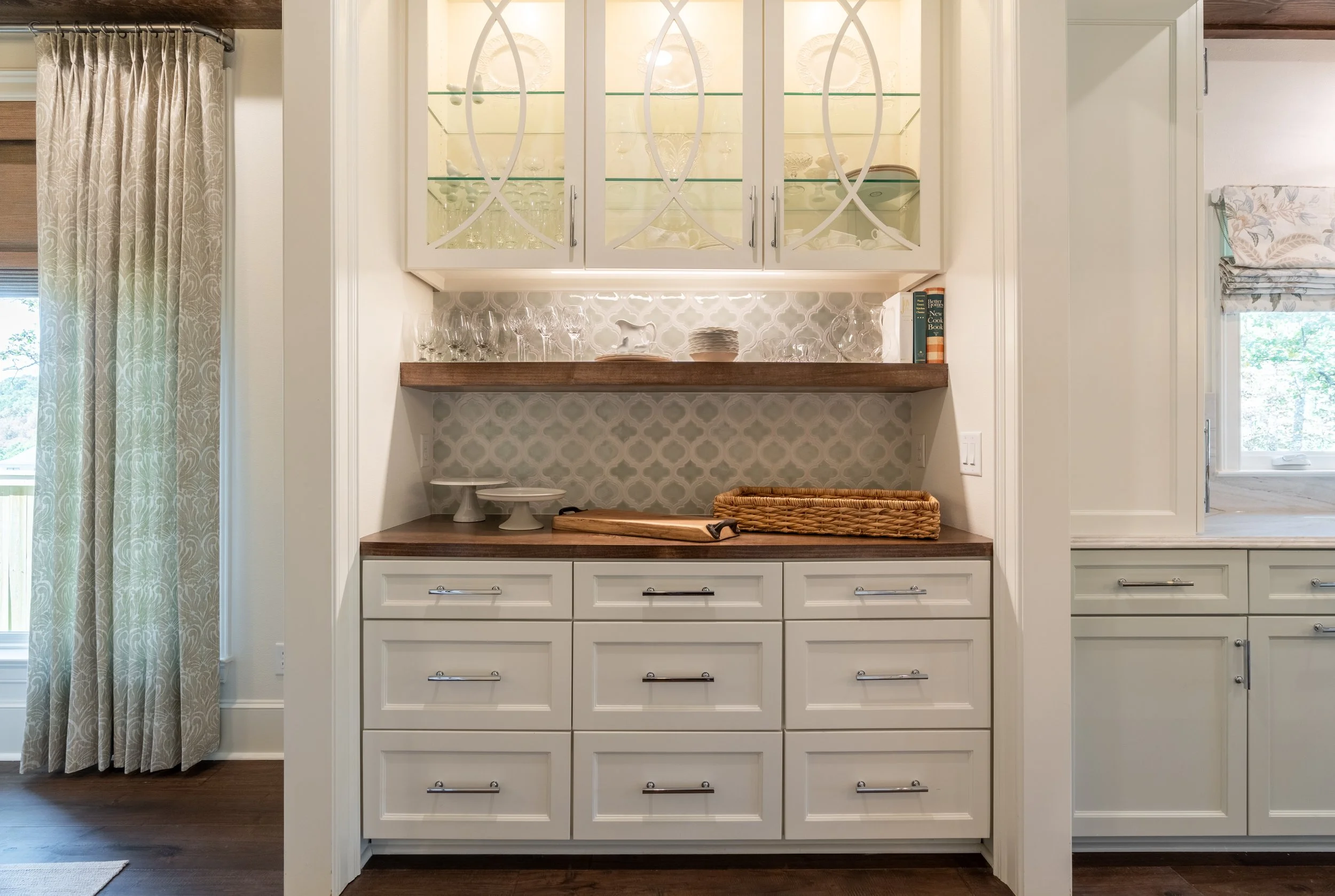
The home is one thing. Every room is in relationship with every other room.
The Difference Between a Room and a Home
Most design projects treat the home as a collection of rooms. Each space gets its moment, a new kitchen here, a primary bath there, and the result is a house that looks better in parts but never quite coheres as a whole. The flow feels off. Materials don't speak to each other. The mudroom that leads from the garage is still an afterthought, even though it's where every single day actually begins.
When Shine takes on a new construction project or a whole-home renovation, we start from a completely different premise: the home is one thing. Every room is in relationship with every other room. The decisions made in the kitchen affect what's possible in the dining room. The primary suite sets the emotional tone for the entire private wing. The entry is not decorative. It is the first breath the house takes, and it tells every person who walks through the door exactly what kind of place this is.
Designing a whole home this way means holding all of that at once. It requires both vision and vigilance, the ability to see the whole while attending to the smallest details. It's also what makes the difference between a house that photographs well and a home where you can host everyone, open the door without apology, and feel the peace your friends keep mentioning before you can even name it yourself.
“They created space for everything we wanted plus additional features we hadn’t thought of...”
A Home That Serves the Way You Actually Live
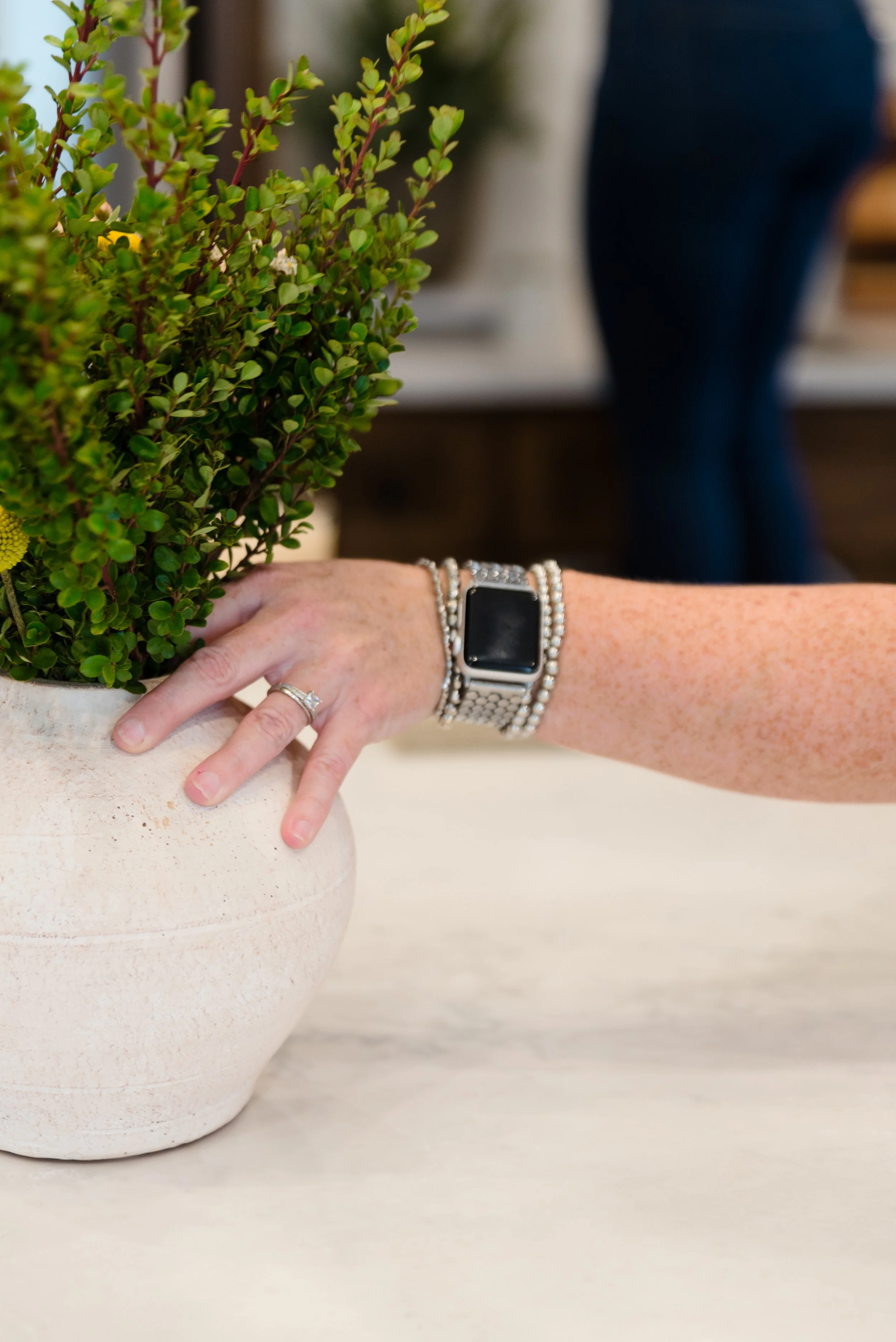
Our environments shape our nervous systems. Finding ways to connect with the outdoors provides lower stress, better sleep, and improved mood. Yes, please!
Here is what the design magazines rarely show you: how a home actually works on a Wednesday morning.
Not the golden-hour photograph. The real morning. The coffee, the kids, the bag that needs to be by the door, the dog coming in from outside, the light that's either helping you or fighting you.
A home designed around your real life accounts for all of it. Where natural light lands at 7 a.m. and how it affects how you feel when the day starts. How the traffic pattern through the kitchen during meal preparation can either create ease or constant friction. Whether the primary suite offers genuine quiet, or whether sound travels from the rest of the house in ways that never let you fully rest.
This is where health and wellness design becomes not a feature, but a foundation.
Biophilic design, which incorporates natural light, organic materials, and views to green space, is not a trend. It is a design philosophy grounded in decades of research showing that our environments shape our nervous systems. A home with generous natural light and a considered connection to the outdoors supports lower stress, better sleep, and improved mood. These are not abstract benefits. They are felt every single day.
Indoor air quality is another dimension that rarely comes up in design conversations but profoundly affects the people living inside the home. At Shine, we specify low-VOC paints and finishes, Oeko-Tex certified textiles, and natural materials that don't off-gas over time. For clients with young children, anyone with respiratory sensitivities, or anyone who simply wants to invest in their long-term health alongside their home's long-term beauty, these decisions matter enormously, and they cost nothing extra when they're built into the design from the beginning.
The goal, in every project, is a home that restores you. Not just one that impresses guests.
“They researched rugs, flooring, adhesives, and construction to maximize health and wellness, and were innovative in the inclusion of hypoallergenic materials.”
Designing for the Long Horizon
There is another conversation we always have with our full-service clients, one that changes how every decision gets made.
“How do you want to live in this home in five year, ten years, twenty years?”
This is not a morbid question. It is one of the most generous gifts a designer can offer: the ability to see further down the road than the excitement of a new build allows most clients to see on their own.
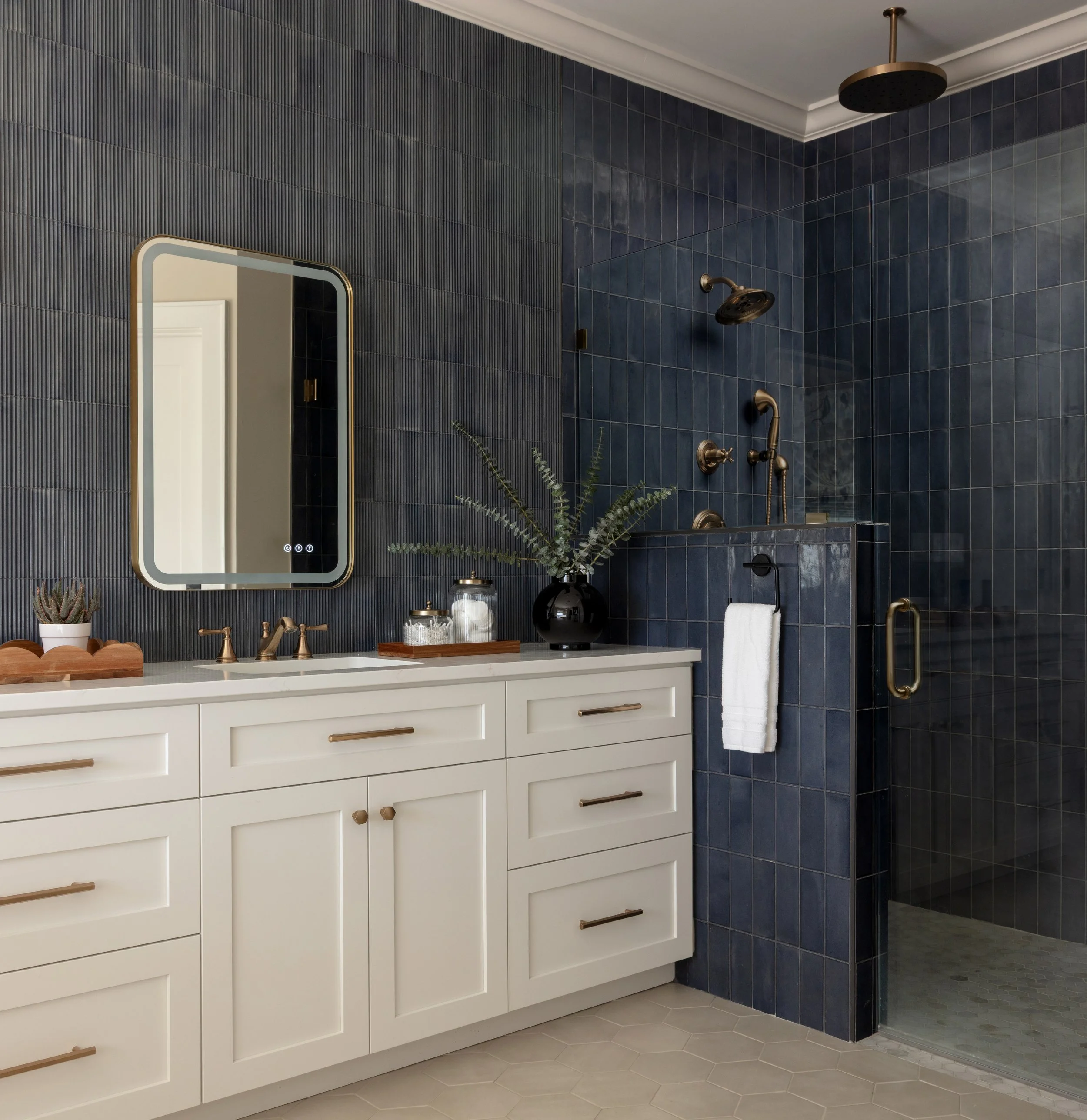
True universal design is invisible. You don't notice it as an accommodation. You notice it as comfort, ease, and a space that simply works.
Universal design is the discipline of creating spaces that are beautiful, functional, and adaptable across every life stage. It is often misunderstood as a clinical category, grab bars and wide doorways for people who "need" them.
True universal design is invisible. It is a curbless shower that is genuinely beautiful and also eliminates a trip hazard and remains accessible if your needs ever change. It is lever-style hardware throughout the home that feels sophisticated and is also easier to operate for anyone carrying groceries, managing arthritis, or helping an aging parent through the door. It is a primary suite on the main floor, not just because it's convenient now, but because it means this home can hold your life through every chapter, not just this one.
For clients building at this level, these decisions are not accommodations. They are intelligence. The clients who commission a home like this are thinking about longevity, in materials, in quality, in how the home will serve them and the people they love. Universal design principles are the natural extension of that same thinking.
We design for the life you're living now, and the life you'll be living then.
What Becomes Possible
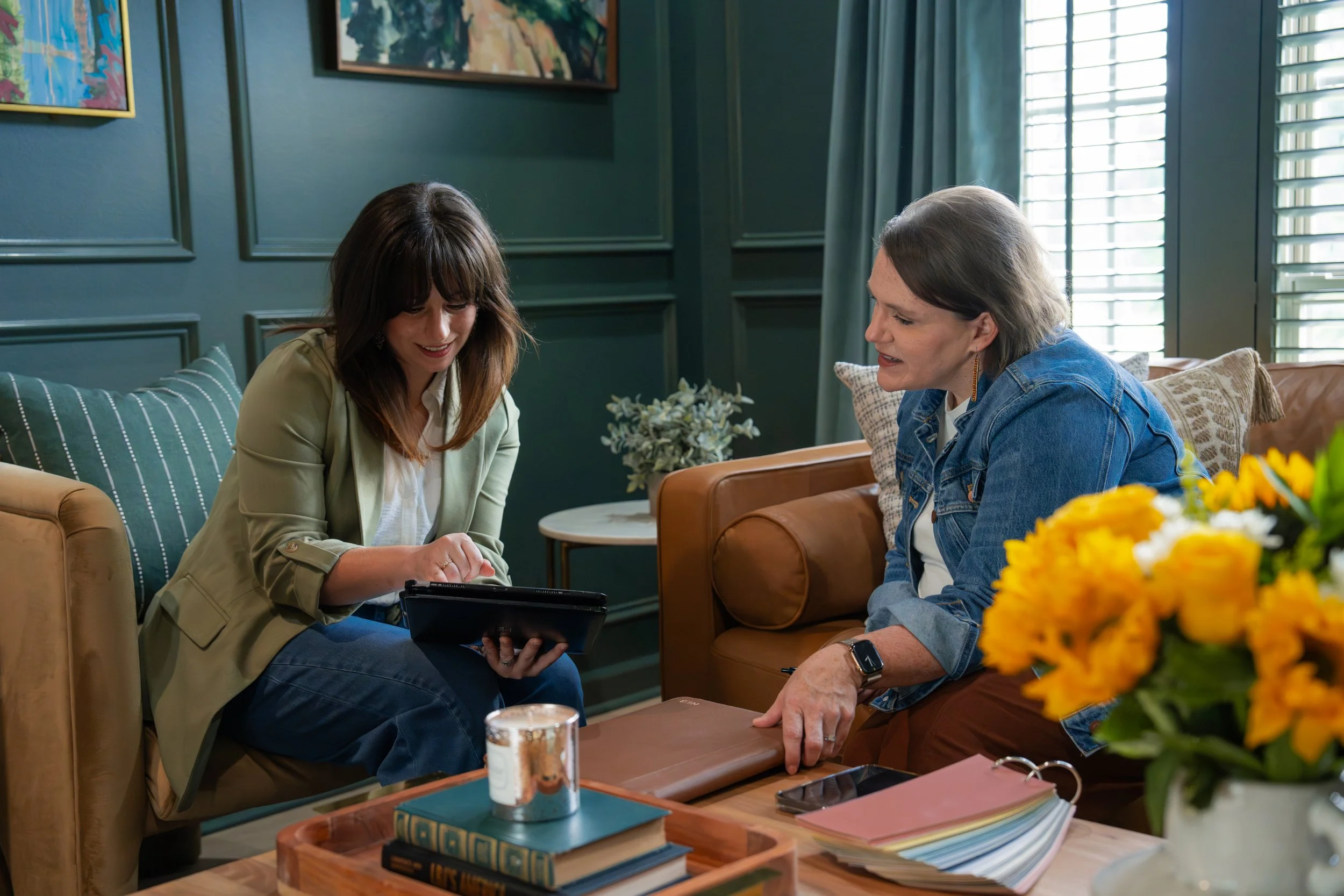
"How long is it going to last? What impact is it going to have? Does it make your life easier? Does it make your space calmer? We run everything through that filter."
Most people have never lived in a home that was truly designed for them.
Not just decorated. Not just renovated. Designed, from the ground up, with their real life at the center of every decision. The way they move through a morning. The light they need to feel well. The spaces that need to be quiet and the spaces that need to hold a family together.
When that happens, something shifts. The home stops being a place you maintain and becomes a place that works for you. That supports you, rests you, and holds your life with intention for years to come.
That is what Made to Last means to us. Not a design that photographs beautifully and fades. A home built with enough care and consideration that it grows with you, serves you, and lasts.
Ready to talk about what's possible?
Every project starts with a conversation. Contact us to set up a time to chat!
Shine bright!

Natalie Biles, ASID. Designer and Co-Owner of Shine Interior Design Studio.