Slow Design: A Conversation on Sustainability, Wellness, and Design at a Different Pace
By Stacey Breezeel, ASID | LEED-AP · Co-Owner and Lead Designer, Shine Interior Design Studio
What if conversations with clients started with how their homes could improve sleep quality, reduce headaches and fatigue, or even help with allergies?
These conversations about health, and how spaces can support us in lasting ways, open up a wealth of opportunity. In February, I had the honor of bringing that thinking to the KBIS NextStage in Orlando for a panel called Slow Design: Wellness, Sustainability, and the Beauty of Enough. Avi Rajagopal of METROPOLIS moderated, and I shared the stage with Hill Rondero of Ro House and Hannah Goldberg of Hannah Charlotte Interiors.
The session title is the part that stayed with me. Slow design. Two small words that ask us to do something the industry rarely makes time for — pause, listen, and design with care rather than urgency.
I want to share what I brought to that conversation, because it's the same approach we use for every healthy home design project at Shine.

Slow Design: Wellness, Sustainability, and the Beauty of Enough. Avi Rajagopal of METROPOLIS moderated, Stacey Breezeel shared the stage with Hill Rondero of Ro House and Hannah Goldberg of Hannah Charlotte Interiors.
Slow down and listen
That was my opening line, and it's where every healthy home actually begins.
At Shine, we spend real face-time with clients before we ever talk about finishes or floor plans. We want to understand the family dynamic, the daily rhythms, the small things that make a household feel like home. That early conversation is also where wellbeing comes up — not as a sales pitch, but as a genuine question: what does health look like for your household?
Because health and wellness mean different things to different people. Wellness solutions need to feel like a solution to your life — not a trend.
A few of the categories we listen for:
Sleep quality
Allergies and compromised immune systems
Cleaning habits and household maintenance
Mobility and accessibility
Neurodiversity
Once we understand what matters most, we work with clients to set two or three wellness goals for the project. Just two or three. That's the anchor. From there, we translate those goals into design solutions across materials, light control, maintenance, zoning and transitions, finishes, and plumbing.
A Client Story
One of our clients lives with a life-threatening allergy to latex and rubber. That's an extreme case — but the principles we used to design her home apply to anyone managing daily allergies, asthma, or chemical sensitivities.
We established priorities at the very beginning of the project: limit exposure, choose materials carefully, and build healthy decision-making into the construction sequence — not bolt it on at the end.
Three areas drove the work, and they're the same three I returned to throughout the panel.
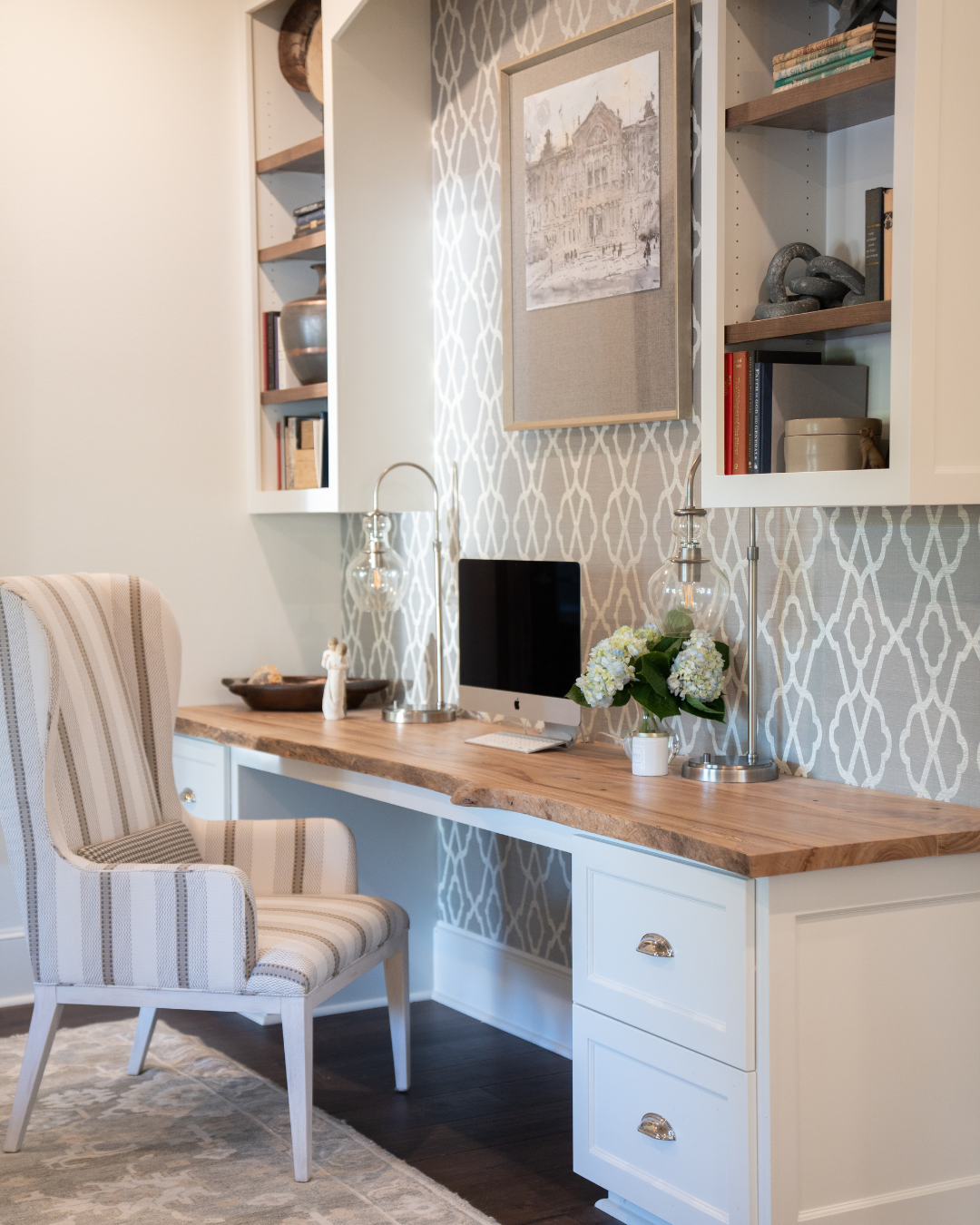
When facing certain allergies, be sure to investigate what the wood has been used for in the past. We aren’t talking about the pinterest pallet wood craze of years past, where the wood could have been used or exposed to any number of toxic chemicals. Locally, we have several artisans who use fallen timber after storms for reclaimed pieces.
1. Materials
Indoor air quality is crucial to a healthy home, and materials are where it begins. So many of the products we live with — paint, top finishes, adhesives for flooring or wallcovering, foam, plastics, rubber, composite products like medium-density fiberboard — carry chemical smells that are detrimental to our bodies. What's specified and how it's installed both matter.
When we're sourcing for health, we look for products that have been tested by third-party groups (Green Label is one of the more familiar certifications), and we lean on trade associations as a resource for healthy material specifications. Natural fibers — cotton, linen, wool — show up in upholstery, drapery, bedding, and rugs.
Reclaimed wood means cleaner indoor air, a lower carbon footprint, and dollars that stay in the local economy. It also creates storytelling features within the home — the kind of pieces that carry meaning long after the project wraps.
2. Zones
This is the one homeowners don't always think about — and it makes a real difference in daily life.
We design transitions through the home, from highest exposure to lowest. The point of entry, the mudroom, the laundry room, drop zones, front-of-house bathrooms, pet rooms — these are the spaces that catch the dirt, dust, allergens, and packaging from the outside world.
When those zones are designed to do their job, the communal spaces and bedrooms stay cleaner. People sleep better. Cleaning is faster. The home actually supports how the household lives.
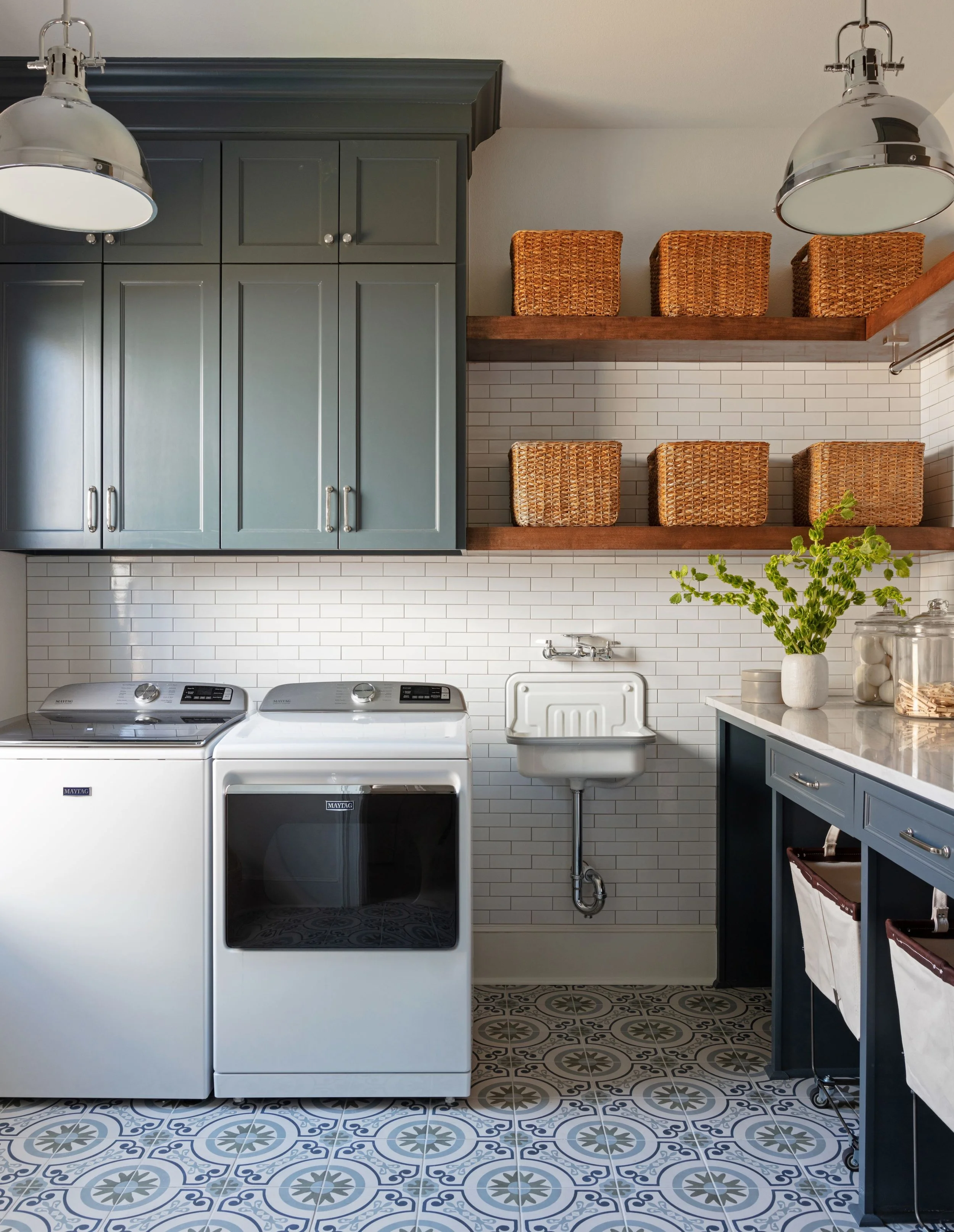
The idea is to protect the spaces that are used the most with better indoor quality by creating drop zones.
3. Air quality and filtration
Most of us spend more time indoors than outdoors. So the air inside the house has to work as hard as the materials.
Low-VOC specifications limit off-gassing from the start. From there, mechanical air filtration and water filtration can be specified to address chemicals, particulates, and viruses. The HVAC and filtration industry has come a long way in the last five years — there are real options now, at multiple price points, that didn't exist when we started designing healthy homes.
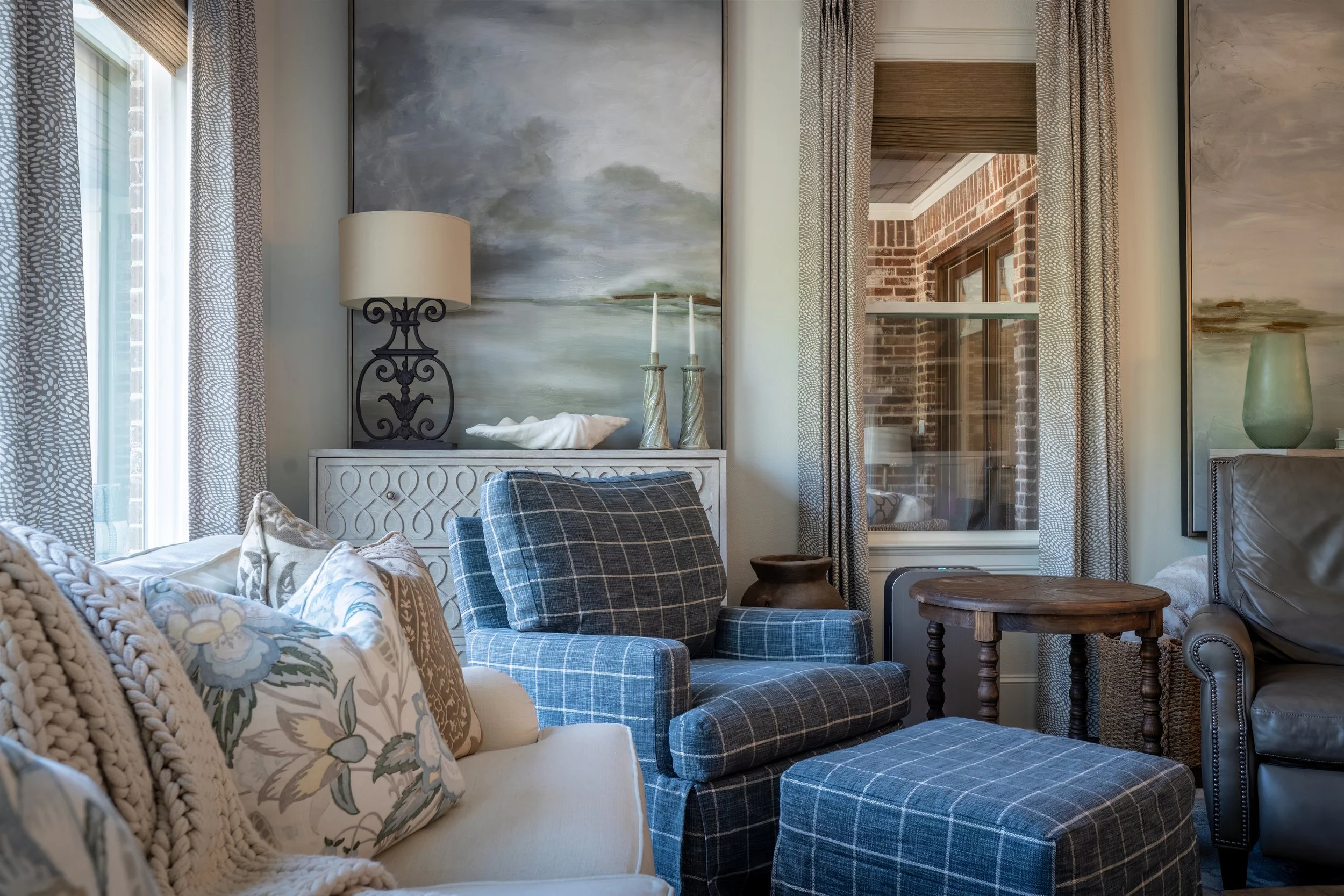
Together, those three pillars — materials, zones, and air quality — gave that client a home she could move through every day with confidence.
Why slow design matters now
The KBIS panel kept circling back to one idea: good designers know how to problem-solve and work within the framework with creative, beautiful solutions. Slowing down isn't the opposite of progress. It's how design moves forward — by lasting longer, feeling better, and treading lighter.
The efforts involved set the stage for a better lifestyle rather than something temporary — wellness as the outcome, making it a lifestyle and not a trend.
The best place to start is a conversation about what wellness or sustainability means to you.
If you're thinking about a renovation or a new build, start there. Two or three goals, written down. We'll meet you in that conversation.
In the next post: once those three pillars are in place, what are the protected spaces actually for? Bedrooms, gathering rooms, daily rhythms, and the toolkit that holds it all together. Coming June 2.

Stacey Breezeel, ASID | LEED-AP, is an interior designer and co-owner of Shine Interior Design Studio in Little Rock, Arkansas. Stacey leads the studio's commercial division, and presented at KBIS NextStage 2026 on the Wellness & Sustainability track. Reach her at stacey@shineidstudio.com.
Photography: Emerald (KBIS panel imagery) · Project photography: Rett Peek, Aaron Stone Photography